
Earthquakes
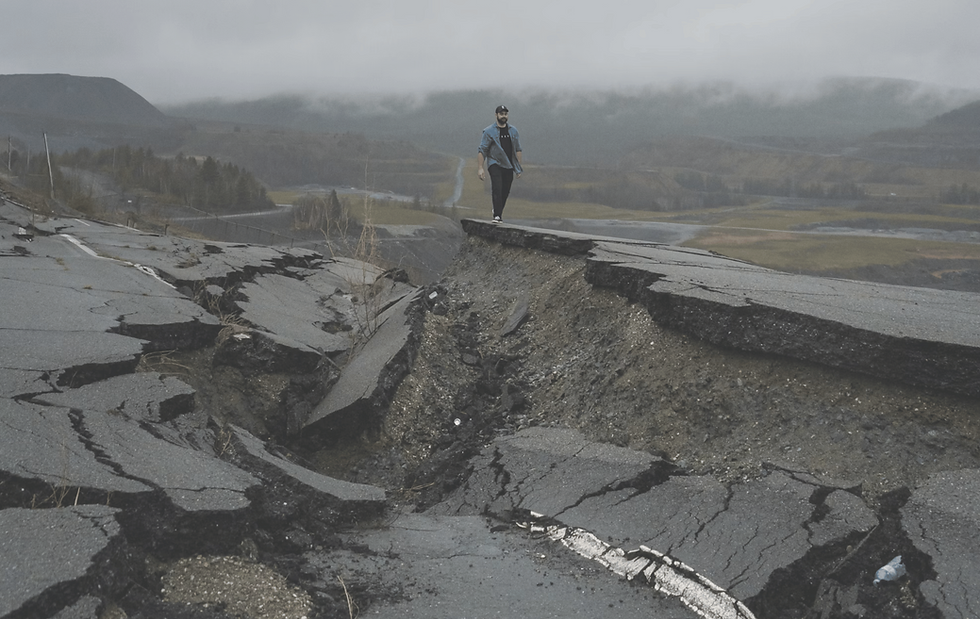
Warm Up
Have you ever experienced an earthquake?
Do you know what to do during an earthquake?
Have you ever participated in earthquake drills or preparedness training?
Reading
In the past week, Iceland has been rocked by an astonishing 18,000 earthquakes, although most have been too minor to be felt by humans. However, the largest recorded quake, measuring at a magnitude of 5.6, has sparked concerns among experts that a dormant volcano in the southwest of the country may be on the verge of erupting. This region has remained relatively inactive for over 800 years, but the recent surge in seismic activity has raised fears of an imminent volcanic event.
Despite Iceland's familiarity with occasional tremors due to its volcanic nature, the frequency and intensity of the recent earthquakes have left residents in the capital city of Reykjavik feeling unsettled. Fortunately, scientists have reported minimal damage from the quakes, despite their significant number.
The geological instability of Iceland can be attributed to its unique location atop the junction of tectonic plates deep within the Earth's crust. These enormous pieces of the Earth's surface, which support the planet's landmass, are constantly in motion. In the case of Iceland, the plates beneath the island are gradually diverging, pushing North America and Eurasia apart at an incredibly gradual pace. Consequently, seismic activity is an inevitable consequence of residing on a tectonic plate boundary.
One Reykjavik resident expressed the anxiety induced by the relentless series of earthquakes, describing the sensation of the Earth shaking continuously for an entire week as unprecedented. Such events serve as stark reminders of humanity's vulnerability in the face of nature's forces, underscoring the profound impact that geological phenomena can have on our lives and sense of security.
Reading Comprehension
How many earthquakes has Iceland experienced in the past week?
How are residents in Reykjavik feeling as a result of the recent earthquakes?
What reassuring information have scientists provided about the earthquakes?
Discussion Questions
How do you think people feel when they experience frequent earthquakes like in Iceland?
Are earthquakes common in your country?
Do you know what a tectonic plate is? Can you explain it?
How do you think living in an earthquake-prone area affects people's lives?
What safety measures should people take during an earthquake?
Do you think people feel more anxious about earthquakes when they happen frequently?
What would you do if you were in an area experiencing frequent earthquakes?
How do people rebuild their lives after experiencing a devastating earthquake?
Should schools and workplaces have earthquake drills? Why or why not?
What can individuals do to support communities affected by earthquakes?


